When parents separate or divorce, one of the most sensitive and important issues is child custody. The court’s main focus is always the well-being of the child, not the convenience of the parents. Understanding child custody laws in India can help parents make informed decisions and reduce conflict during an already emotional time.
Understanding Child Custody in India
Child custody refers to the legal right to take care of and make decisions for a child. In India, custody laws are governed by personal laws as well as general laws like the Guardians and Wards Act, 1890.
The court does not automatically favor one parent over the other. Instead, it carefully examines each case to decide what arrangement will best support the child’s physical, emotional, and educational needs.
Types of Child Custody
There are different types of custody arrangements that courts may grant. These include physical custody, legal custody, joint custody, and third-party custody in rare cases.
Understanding the types of child custody in India is important because it helps parents know what to expect. Physical custody means the child lives with one parent, while legal custody refers to decision-making authority. Joint custody allows both parents to share responsibilities.
Welfare of the Child: The Most Important Factor
The most important principle in custody cases is the welfare of the child. Courts do not make decisions based on the parents’ preferences alone. Instead, they evaluate what will be best for the child’s overall development.
Factors such as emotional bonding, stability, education, safety, and the child’s comfort are considered. This principle is often discussed under child welfare custody cases India, where the child’s interest comes above everything else.
Factors Courts Consider in Custody Decisions
Courts consider several factors before granting custody. These include the age of the child, financial stability of the parents, living conditions, and the ability to provide proper care.
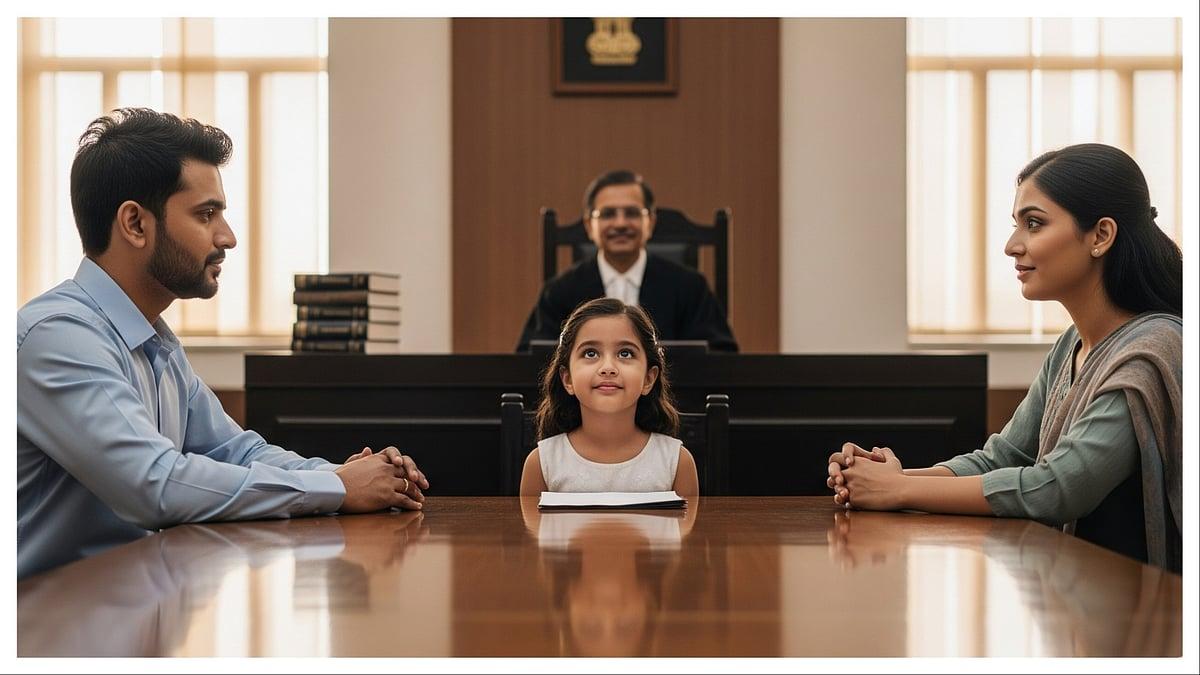
The character and behavior of each parent also matter. Courts may look at whether a parent has a history of violence, neglect, or substance abuse. The child’s own preference may also be considered if they are old enough to express a reasoned opinion.
Custody in Divorce Cases
Child custody often becomes a key issue during divorce proceedings. Parents may either mutually decide custody arrangements or approach the court for a decision.
In such situations, understanding child custody in divorce India is essential. Courts aim to create a balanced arrangement where the child continues to have a relationship with both parents, even if they live separately.
Visitation Rights
Even if one parent is granted custody, the other parent usually receives visitation rights. This allows the child to maintain a healthy relationship with both parents.
Visitation schedules can vary depending on the situation. Courts may allow weekend visits, holidays, or regular meetings based on what is suitable for the child.
Role of Financial Support
Financial support is another important aspect of custody cases. The parent who does not have custody may be required to contribute financially to the child’s upbringing.
This includes expenses for education, healthcare, and daily needs. Courts ensure that the child’s standard of living is maintained as much as possible.
Why Legal Guidance is Important
Child custody cases can be emotionally and legally complex. Proper legal advice helps parents understand their rights and responsibilities.
Many people rely on a family court child custody guide India to navigate the process smoothly. Legal guidance can also help in preparing documents and presenting the case effectively.
Why Understanding Custody Matters
- Helps parents make informed decisions
- Reduces conflict and emotional stress
- Ensures the child’s best interests are protected
- Provides clarity on legal rights and responsibilities
Common Misconceptions About Child Custody
There are many misconceptions about child custody in India. One common belief is that mothers always get custody, but this is not true. Courts prioritize the child’s welfare over gender.
Another misconception is that the non-custodial parent has no rights. In reality, courts ensure that both parents remain involved in the child’s life whenever possible.
Some people also think that custody decisions are permanent. However, custody arrangements can be modified if circumstances change.
Challenges Faced by Parents
Custody battles can be stressful and emotionally draining. Parents may face legal delays, disagreements, and pressure from family or society.
Maintaining proper communication and focusing on the child’s needs can help reduce conflict. It is also important to avoid involving the child in disputes, as it can affect their mental well-being.
Conclusion
Child custody decisions in India are made with the child’s best interests as the top priority. Courts carefully examine all aspects of the child’s life before making a decision.
Understanding your rights and responsibilities can make the process smoother and less stressful. By focusing on the child’s well-being and seeking proper legal guidance, parents can ensure a stable and supportive environment even after separation. Follow https://www.lexfiedgo.in/ for such legal guide