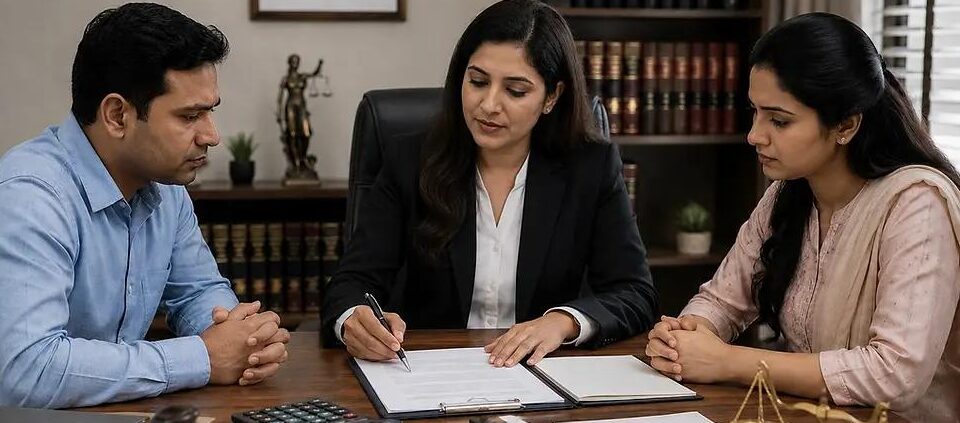
Divorce not only ends a marriage but also raises important questions about financial rights and property division. One of the most common concerns is whether a wife can claim her husband’s property after divorce. Understanding property rights of wife after divorce in India can help individuals make informed decisions and avoid confusion during legal proceedings.
Understanding Property Rights After Divorce
In India, property rights after divorce depend on ownership and legal contribution rather than the marital relationship alone. Unlike some countries, there is no automatic concept of equal division of marital property.
This means that if a property is owned solely by the husband, the wife does not automatically become entitled to half of it. However, there are other legal provisions that protect a wife’s financial security.
Types of Property in Marriage
To understand rights clearly, it is important to know the different types of property. Property can be self-acquired, ancestral, or jointly owned.
Self-acquired property belongs to the person who purchased it. Ancestral property is inherited from family. Joint property is owned by both spouses. Understanding husband property rights after divorce India helps clarify how these categories are treated in legal cases.
Can a Wife Claim Husband’s Property?
A wife cannot directly claim ownership of her husband’s self-acquired property after divorce unless her name is on the title or she has contributed financially to it.
However, she can seek financial support through maintenance or alimony. This is where the concept of alimony and maintenance rights India becomes important, as it ensures that the wife is financially supported after separation.
Right to Residence
Even if the property is not in her name, a wife has the right to reside in the shared household during the marriage and sometimes even after separation, depending on court orders.
This right is protected under laws such as the Protection of Women from Domestic Violence Act, which ensures that a woman is not left without shelter.
Role of Financial Contribution
If the wife has contributed financially to the purchase of a property, she may have a claim to that extent. Courts consider evidence such as bank transactions, loan payments, and other financial contributions.
In such cases, the court may grant a share in the property or adjust the financial settlement accordingly.
Alimony and Financial Support
Instead of direct property rights, courts often ensure financial fairness through alimony or maintenance. This can be a lump sum or monthly payment.
Understanding divorce property settlement laws India is important because it explains how courts balance financial interests between both partners after divorce.
Child Custody and Its Impact
If the wife has custody of the children, it may indirectly affect financial arrangements. Courts may consider the child’s needs while deciding maintenance or residence rights.
The focus remains on ensuring a stable environment for the child, which can influence financial settlements.
Why Legal Guidance is Important
Property disputes can be legally complex and emotionally stressful. Seeking proper legal advice helps in understanding rights and avoiding mistakes.
Many individuals rely on a family law property rights guide India to navigate these issues effectively. Legal experts can also help in documentation and representation in court.
Why Understanding Property Rights Matters
- Helps avoid confusion and legal disputes
- Ensures financial security after divorce
- Clarifies ownership and contribution rights
- Protects the interests of both partners
Common Misconceptions About Property Rights
One common misconception is that a wife automatically gets half of her husband’s property after divorce. This is not true under Indian law.
Another myth is that a wife has no rights at all. While she may not get ownership, she is entitled to financial support and protection under various laws.
Some people also believe that only working women can claim maintenance, but courts consider multiple factors including need, lifestyle, and dependency.
Challenges in Property Disputes
Property-related disputes can become lengthy and complicated. Lack of proper documentation, disagreements, and legal delays often make the process stressful.
Clear communication, proper records, and legal support can help reduce these challenges and lead to a fair outcome.
Conclusion
In India, a wife does not automatically have a right to claim her husband’s property after divorce. However, the law ensures financial protection through maintenance, alimony, and residence rights.
Understanding your legal position is essential to making informed decisions. With the right knowledge and guidance, individuals can navigate property-related issues with clarity and confidence during and after divorce. Follow https://www.lexfiedgo.in/ for such legal guide