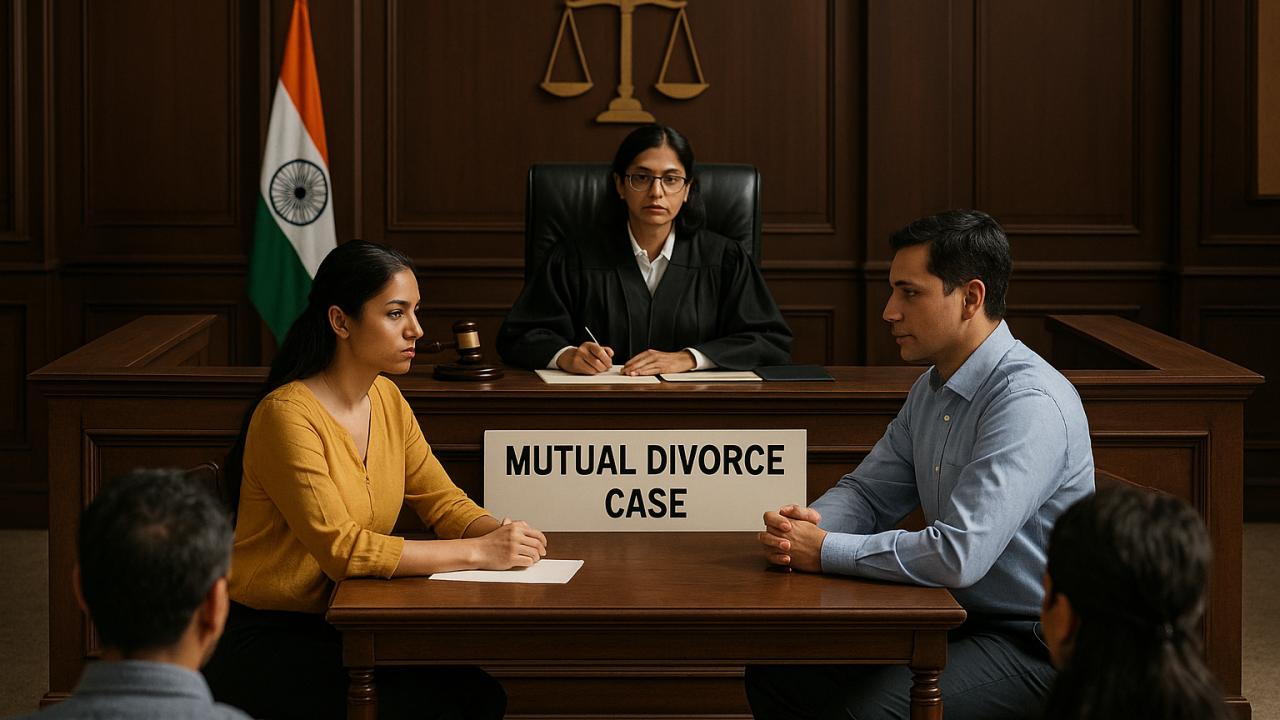
Divorce is a legal process that officially ends a marriage. In India, divorce laws are governed by different personal laws depending on religion, such as Hindu Law, Muslim Law, Christian Law, and Special Marriage Act. While the process may seem complicated, understanding divorce process in India in simple terms can help individuals make better decisions during difficult times.
Understanding Divorce in India
Divorce is the legal dissolution of a marriage by a court. It allows both partners to separate formally and move on with their lives. In India, divorce can be either mutual or contested.
Mutual divorce happens when both partners agree to end the marriage peacefully. Contested divorce occurs when one partner files for divorce without the consent of the other, usually due to reasons like cruelty, desertion, or adultery.
Types of Divorce in India
There are mainly two types of divorce in India. The first is mutual consent divorce, which is faster and less stressful. The second is contested divorce, which involves legal proceedings and can take more time.
Understanding the mutual divorce procedure India is important because it is the simplest way to legally separate if both partners agree.
Grounds for Divorce
Indian law allows divorce on several legal grounds. These grounds vary slightly depending on religion, but some common reasons include cruelty, adultery, desertion, conversion of religion, mental disorder, and irretrievable breakdown of marriage.
In contested cases, the person filing for divorce must prove one of these grounds in court.
Step-by-Step Divorce Process
The divorce process may vary slightly depending on the type of case, but generally follows a structured legal procedure.
First, a petition is filed in the family court by one or both partners. In mutual divorce, both parties file a joint petition. In contested divorce, only one party files the case.
Next, the court examines the petition and may suggest reconciliation between the couple. If reconciliation fails, the case proceeds further.
In mutual divorce cases, the court requires a cooling-off period (usually six months) before granting the final decree. This gives the couple time to reconsider their decision.
After this period, if both parties still agree, the court grants the divorce.
Alimony and Maintenance
Financial support is an important part of divorce proceedings. One spouse may be required to provide financial assistance to the other, depending on income, lifestyle, and dependency.
This is commonly referred to as alimony and maintenance in divorce India, and it ensures that the financially weaker partner is not left without support after separation.
Child Custody and Rights
When a couple has children, custody becomes a major concern. The court always prioritizes the welfare of the child while deciding custody.
Custody can be given to one parent, while the other may get visitation rights. In some cases, joint custody may also be granted. Understanding child custody laws in India divorce is important for parents going through separation.
Legal Documents Required
To file for divorce, certain documents are required. These include marriage certificate, address proof, identity proof, photographs, and evidence supporting the grounds for divorce.
In mutual divorce cases, both partners must submit a joint petition along with details of settlement, including property division, child custody, and maintenance.
Why Legal Guidance is Important
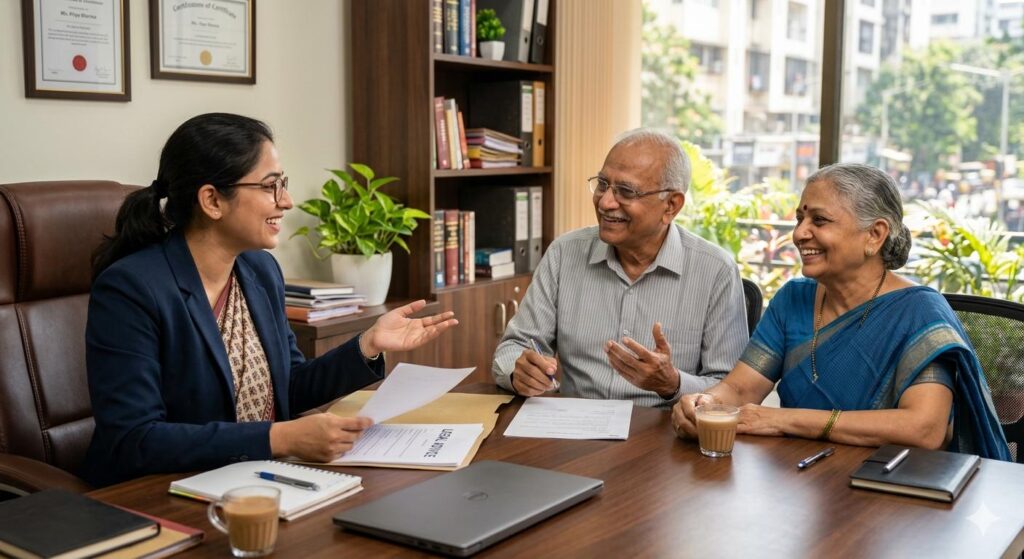
Divorce involves emotional as well as legal challenges. Having proper legal guidance can help you understand your rights and responsibilities.
Many people consult professionals to ensure that the process is smooth and legally correct. This is where family law divorce guide India becomes useful in helping individuals navigate the legal system.
Why Understanding Divorce Matters
- Helps you take informed legal decisions
- Reduces stress and confusion during the process
- Ensures fair settlement and financial security
- Protects the rights of both partners and children
Common Misconceptions About Divorce
There are many myths about divorce in India. Some people believe that divorce is always a long and complicated process. While contested divorce can take time, mutual divorce is relatively faster.
Another misconception is that only one partner benefits from divorce settlements. In reality, courts aim to provide fair and balanced outcomes for both parties.
People also assume that child custody is always given to the mother, but the court considers the best interest of the child rather than gender.
Challenges Faced During Divorce
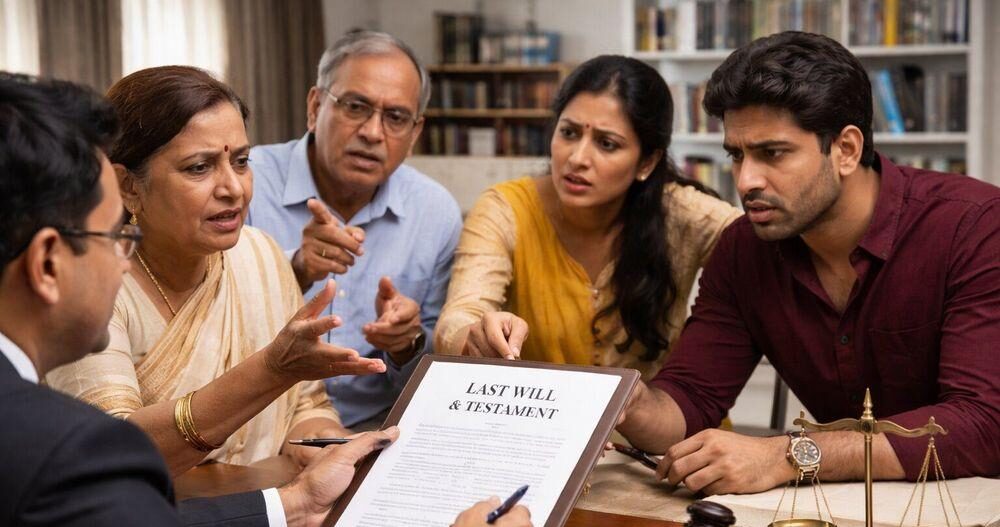
Divorce can be emotionally difficult and legally complex. Couples often face stress, social pressure, and financial concerns. In contested cases, delays in court proceedings can also add to the difficulty.
Proper documentation, legal advice, and clear communication between both parties can help reduce complications.
Conclusion
Divorce in India is a structured legal process that allows individuals to end a marriage respectfully and lawfully. While the process may seem overwhelming, understanding the steps involved can make it easier to handle.
Whether it is mutual or contested, knowing your rights and responsibilities is essential. With the right approach and legal awareness, individuals can move forward with clarity and confidence during this important phase of life. Follow https://www.lexfiedgo.in/ for such legal Information