Legal disputes can feel confusing, especially if you do not understand the law. Many people ask one common question: what is the difference between civil vs criminal cases in India? This difference matters because it affects how courts handle your case. It also decides the type of remedy you can get. In this guide, you will understand civil and criminal law in simple terms and learn your legal rights in India.
What Is a Civil Case?
A civil case deals with disputes between individuals, businesses, or organizations. One party files the case to protect their rights or claim compensation. These disputes often involve property, contracts, family matters, or money recovery. The main goal is to resolve the issue and provide relief. In simple words, civil law protects private rights and offers remedies like compensation or enforcement under civil law in India.
What Is a Criminal Case?
A criminal case involves an offense against society or the state. These cases include crimes like theft, assault, fraud, or murder. The government files the case against the accused person. The court then decides whether the person is guilty. If found guilty, the court gives punishment. Criminal law aims to maintain public order and punish wrongdoing under criminal law in India.
Who Files Civil and Criminal Cases?
In civil cases, the affected person files the case. This person is called the plaintiff. They file the case against the defendant. In criminal cases, the state files the case. Usually, it acts based on a complaint or FIR. This structure forms the base of civil and criminal law in India.
What Is the Objective of Each Case?
Civil cases aim to resolve disputes and provide compensation. For example, a court may order repayment of money. Criminal cases aim to punish the offender. The court may give imprisonment, a fine, or both. This shows the difference between civil remedies vs criminal punishment.
What Is the Standard of Proof?
The standard of proof differs in both cases. In civil cases, courts follow the “preponderance of probabilities.” This means the court accepts the more likely version. In criminal cases, courts require proof “beyond reasonable doubt.” This is a stricter standard. It ensures that innocent people do not get punished.
What Are the Possible Outcomes?
Civil cases usually result in compensation or enforcement of rights. The losing party may need to pay damages or follow court orders. Criminal cases can result in punishment. This may include jail, fines, or probation. Sometimes, the court may also acquit the accused.
Can One Act Lead to Both Cases?
Yes, one act can lead to both civil and criminal cases. For example, fraud can lead to criminal charges. At the same time, the victim may file a civil case to recover money. So, a person may face both types of action together under legal dispute resolution in India.
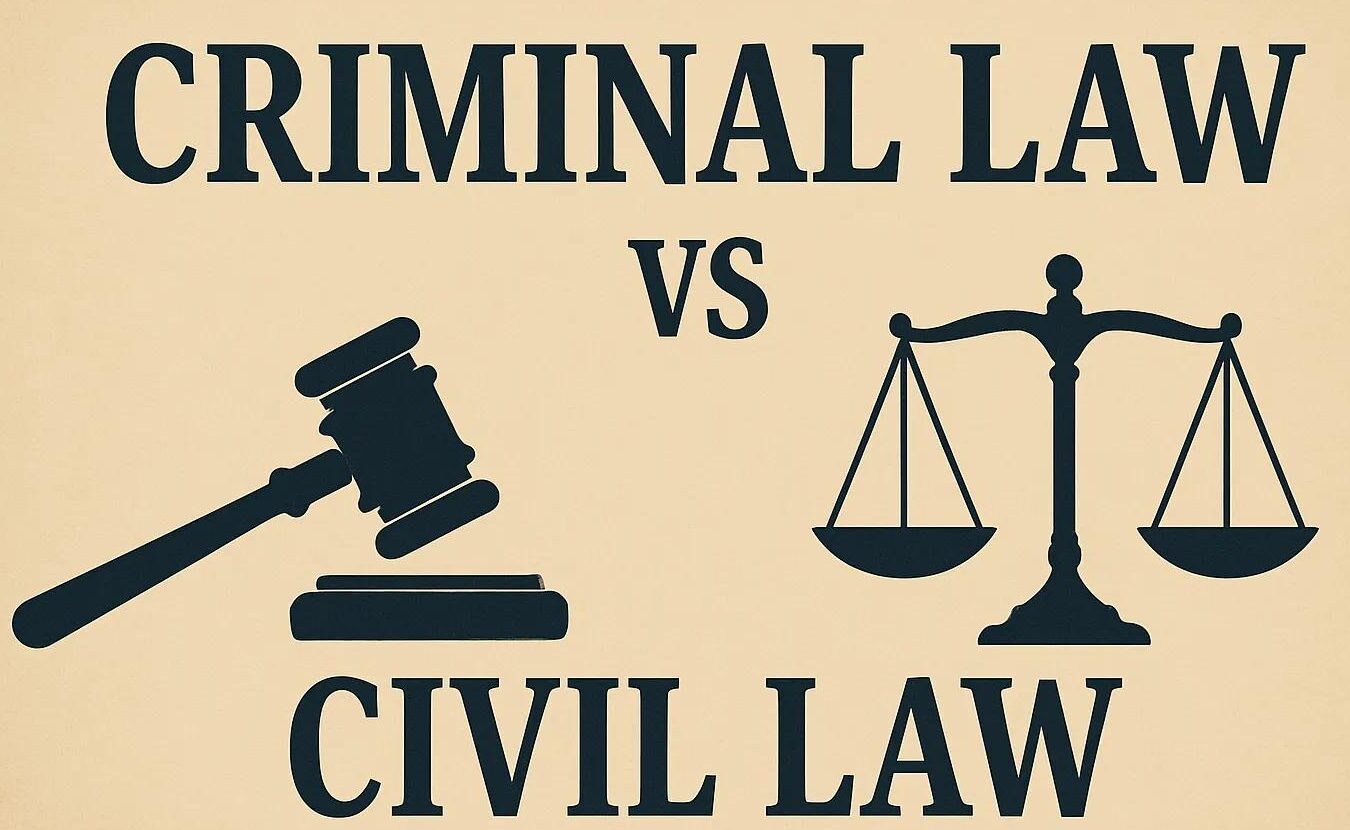
Quick Difference Between Civil and Criminal Cases
Here are the key differences:
- Civil cases deal with private disputes
- Criminal cases deal with offenses against society
- Individuals file civil cases
- The state files criminal cases
- Civil cases give compensation
- Criminal cases result in punishment
These points help you quickly understand the difference.
Which Case Should You File?
Your situation decides the type of case. If you want compensation or enforcement, file a civil case. If someone commits a crime, file a criminal complaint. In some situations, you can choose both options. A legal expert can guide you better.
Common Misconceptions
Many people think criminal cases are always more serious. However, civil cases can also have serious consequences. Some people believe they must choose only one type of case. This is not always true. In some situations, both cases are possible.
How LexfiedGo Can Help You
Legal matters can feel complex. Proper guidance helps you make the right decision. LexfiedGo helps you understand your case and choose the correct legal path. It also supports you in taking the right legal action. With expert help, you can handle legal issues with confidence.
Conclusion
Understanding civil vs criminal cases in India is very important. Civil cases resolve disputes and offer compensation. Criminal cases punish wrongful acts. When you know your legal rights in India, you can take better decisions. Always analyze your situation carefully. If needed, seek expert guidance to protect your interests.