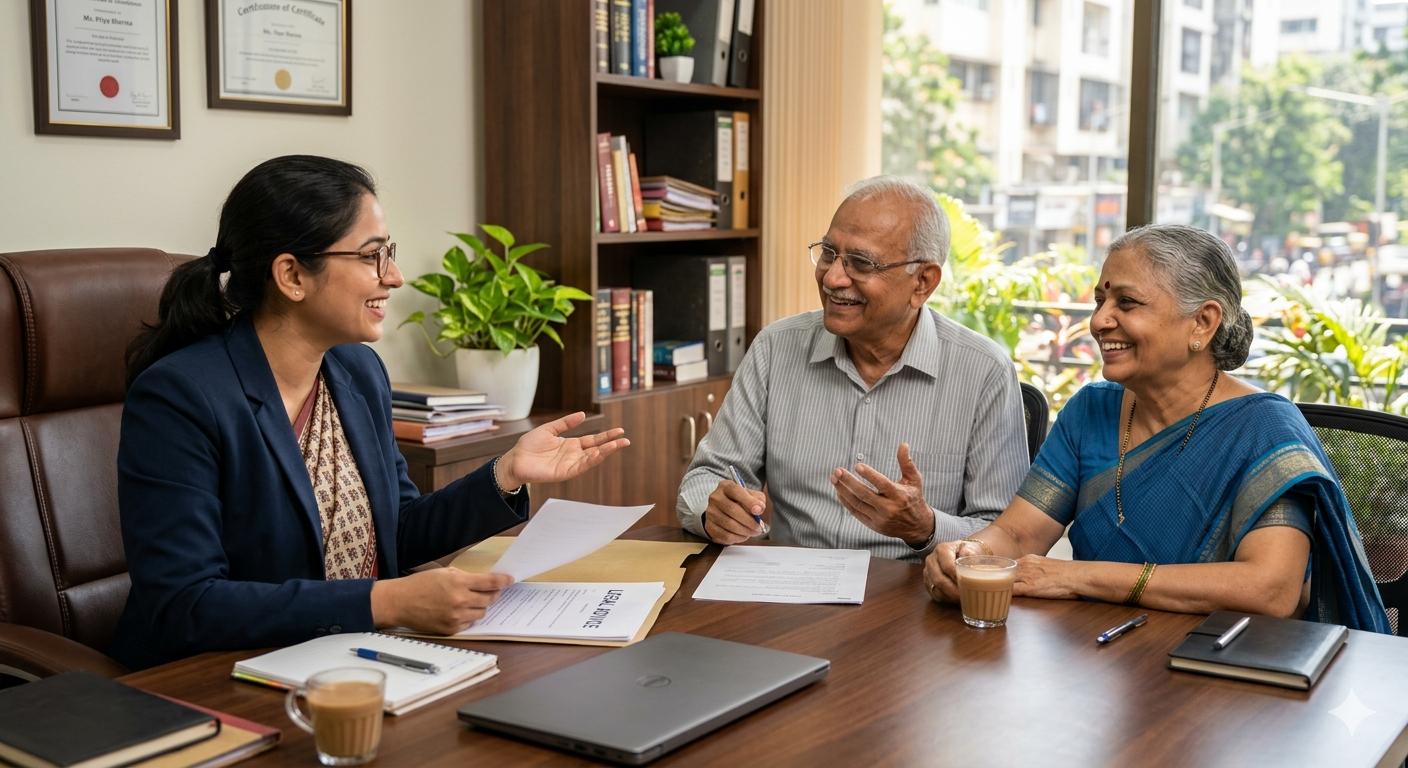
Growing age brings several challenges for senior citizens, including health concerns, financial dependency, property disputes, and family-related issues. Many elderly parents face difficulties when they do not receive proper care, support, or respect from their family members. To protect their dignity and security, Indian law provides several legal rights and remedies for senior citizens.
Understanding senior citizen legal rights in India is important for elderly parents and their families. These laws ensure that senior citizens can live a safe, independent, and respectful life while receiving necessary financial and emotional support.
Legal Framework Protecting Senior Citizens in India
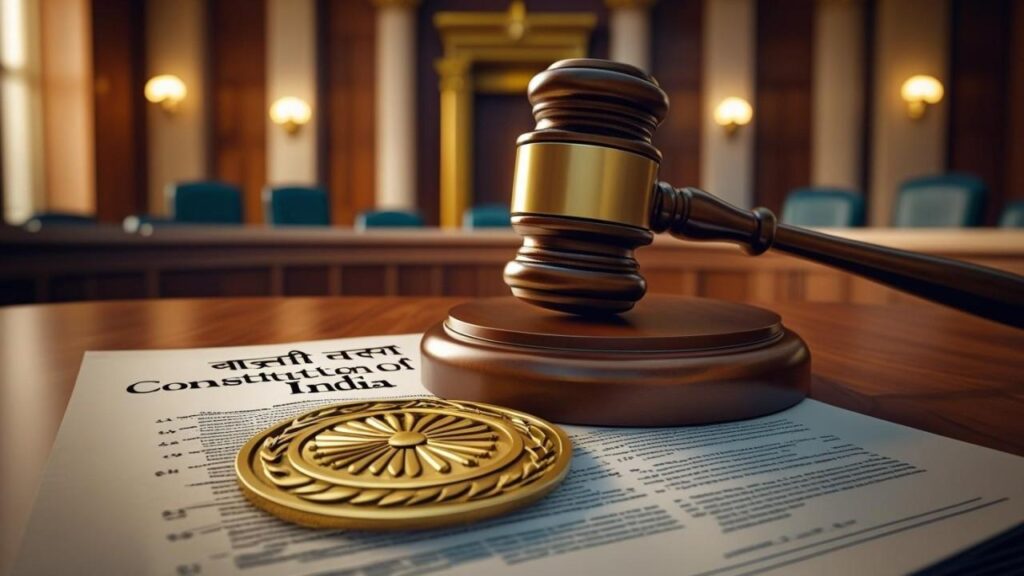
The Indian legal system recognizes the importance of protecting elderly parents and ensuring their welfare. The Constitution of India provides guidelines for the State to take steps for the protection and well-being of senior citizens.
The primary legislation created for this purpose is the Maintenance and Welfare of Parents and Senior Citizens Act, 2007. This law was introduced to provide financial security, protection, and support to elderly parents who are unable to maintain themselves.
Under this Act, children and certain relatives have a legal responsibility to provide maintenance and care to senior citizens. If they fail to fulfil this responsibility, elderly parents can approach the appropriate legal authority for relief.
Right to Maintenance and Financial Support
Many senior citizens depend on their children after retirement due to limited income, health issues, or increasing medical expenses. Indian law provides protection to parents who are unable to support themselves financially.
The Maintenance and Welfare of Parents and Senior Citizens Act, 2007 allows elderly parents to claim maintenance from their children or relatives who are financially capable but refuse to provide support.
A senior citizen can approach the Maintenance Tribunal and request financial assistance for basic needs such as food, residence, clothing, and medical treatment. The purpose of this provision is to ensure that elderly parents do not suffer due to financial neglect.
Apart from this Act, parents may also seek maintenance under other applicable legal provisions when children fail to provide necessary support.
Protection Against Neglect and Elder Abuse
Elder abuse is one of the serious concerns faced by senior citizens in India. It may include physical harassment, emotional pressure, financial exploitation, or neglect by family members.
Many elderly parents avoid taking legal action because they do not want conflicts within the family. However, the law provides remedies to protect them from such situations.
Senior citizens have the right to live with dignity and security. If children or relatives misuse their position or fail to provide proper care, parents can seek legal assistance and approach the concerned authorities.
Legal protection helps elderly parents take necessary steps against harassment while ensuring that their basic rights are protected.
Property Rights of Senior Citizens
Property-related disputes are common issues faced by elderly parents. In many cases, parents transfer their property to their children with the expectation that they will receive care and support in return. However, disputes may arise when children fail to fulfil their responsibilities.
Under the Maintenance and Welfare of Parents and Senior Citizens Act, 2007, senior citizens may have the right to seek cancellation of a property transfer if the transfer was made on the condition of receiving care and maintenance, but the responsibility was not fulfilled.
Understanding property rights of parents in India helps senior citizens protect their assets and make informed decisions regarding property transfers, ownership, and inheritance matters.
Parents should also take proper legal advice before transferring property or signing any legal documents to avoid future disputes.
Importance of Will and Estate Planning for Senior Citizens
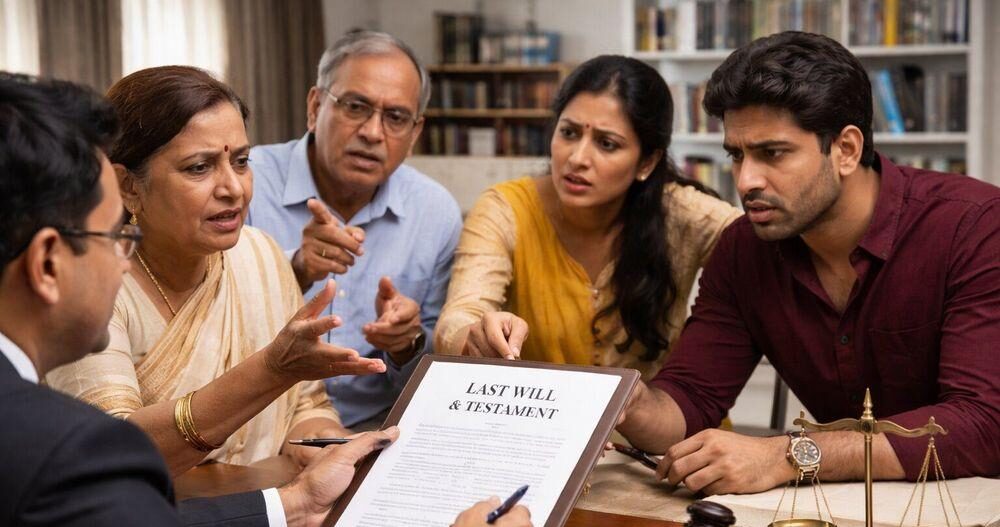
Proper planning of assets is important for every senior citizen. Preparing a legally valid Will helps ensure that property and assets are distributed according to their wishes.
Will and Estate Planning allows elderly parents to clearly mention how their assets should be managed after their lifetime. It also helps reduce the chances of family disputes and provides clarity among legal heirs.
Senior citizens should maintain proper records of their assets, ownership documents, and important legal papers. Professional legal guidance can help in preparing documents correctly and protecting future interests.
Legal Remedies Available for Elderly Parents
Senior citizens facing family disputes, financial neglect, or property-related problems can seek appropriate legal remedies. They can approach Maintenance Tribunals, consult legal professionals, and take necessary steps according to their situation.
A proper understanding of legal rights helps senior citizens make better decisions and avoid unnecessary delays. Legal support becomes especially important in matters involving property disputes, inheritance issues, and family conflicts.
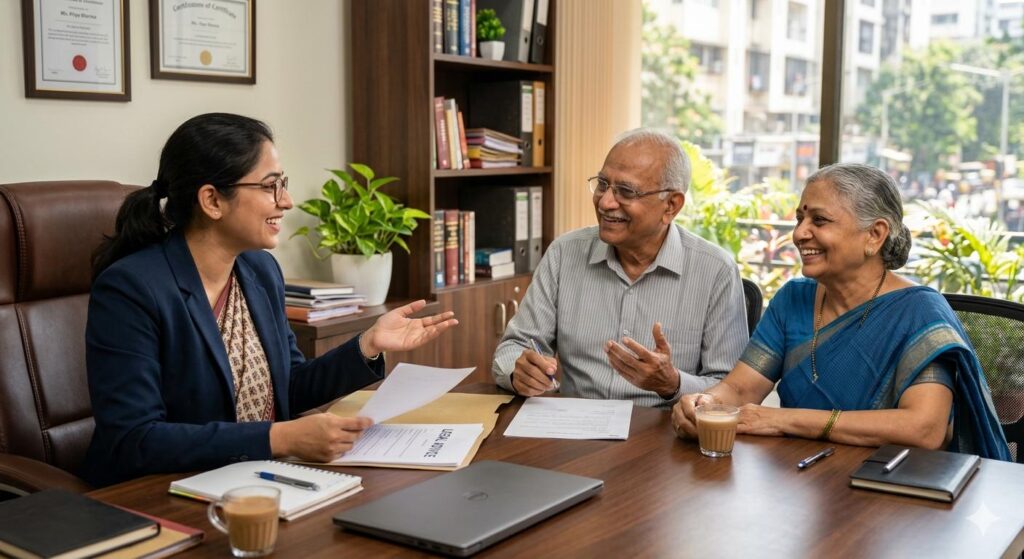
A qualified lawyer can guide elderly parents about available options and help them protect their rights through the correct legal process.
Role of Family Members in Protecting Senior Citizens
Family support plays an important role in improving the quality of life of elderly parents. Legal provisions provide protection, but care, respect, and emotional support from family members remain equally important.
Children and relatives should understand their responsibility towards senior citizens and ensure that they receive proper healthcare, financial assistance, and a respectful living environment.
A supportive family relationship can help prevent disputes and create a safe environment for elderly parents.
Importance of Legal Awareness Among Senior Citizens
Many senior citizens are unaware of the legal protections available to them. Lack of awareness often prevents them from taking action when they face neglect or exploitation.
Knowing about maintenance rights, property protection, and available legal remedies empowers elderly parents to protect themselves. Early legal guidance can help resolve disputes before they become more complicated.
Senior citizens should stay informed about their rights and seek professional advice whenever they face legal difficulties.
Conclusion
Senior citizens deserve respect, care, and a secure life. Indian laws provide important protections to ensure that elderly parents receive financial support, protection from neglect, and security for their property.
The Maintenance and Welfare of Parents and Senior Citizens Act, 2007 plays an important role in safeguarding the interests of elderly parents. Along with legal protection, family support and awareness are essential for ensuring a dignified life for senior citizens.
If elderly parents face legal challenges related to maintenance, property, or family disputes, seeking family law legal consultation in India can help them understand their rights and choose the right legal solution.