Marriage in India is often governed by personal religious laws, but what happens when two people from different religions want to marry? The law provides a solution through a civil process that allows such unions without conversion. Understanding inter religion marriage in India law helps couples know their rights and the legal procedure involved.
What is the Special Marriage Act?
The Special Marriage Act, 1954 is a law that allows people of different religions, castes, or backgrounds to marry legally without changing their religion. It is a civil marriage, meaning it is registered by the government rather than conducted according to religious rituals.
This law promotes equality and freedom of choice in marriage. Understanding Special Marriage Act 1954 India is important for couples who want a legally recognized marriage outside religious customs.
Who Can Marry Under This Act?
Any two individuals can marry under this Act if they meet certain conditions. Both parties must be of legal age, mentally sound, and not already married to someone else.
The law applies to all Indian citizens regardless of religion, making it an inclusive legal option for couples.
Step-by-Step Marriage Process
The process of marriage under this Act involves several legal steps.
First, the couple must give a written notice to the Marriage Officer in the district where at least one of them has resided for at least 30 days.
Next, the notice is displayed publicly for 30 days to invite objections, if any. If no valid objections are raised, the marriage can proceed.
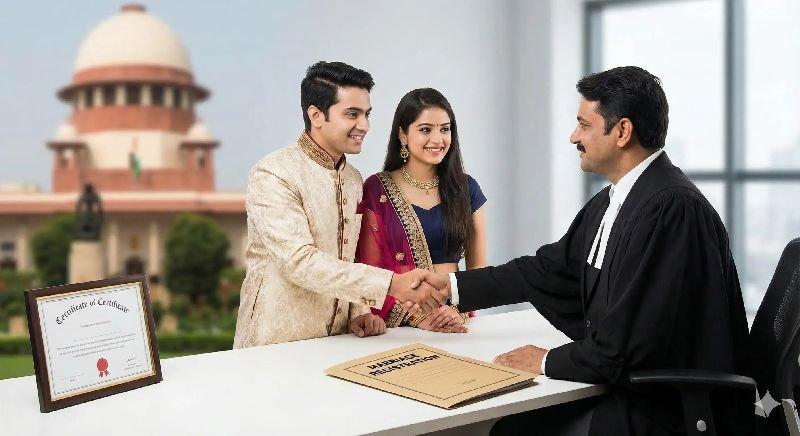
Finally, the marriage is solemnized in the presence of a Marriage Officer and three witnesses.
Understanding Special Marriage Act procedure India helps couples prepare for each step and avoid delays.
Notice Period and Objections
The 30-day notice period is an important part of the process. During this time, anyone can raise objections if the marriage does not meet legal conditions.
If an objection is filed, the Marriage Officer investigates the matter before proceeding. This ensures that the marriage is legally valid.
Documents Required
Couples need to submit certain documents, such as proof of age, identity, address, and passport-size photographs. In some cases, additional documents may be required.
Proper documentation helps ensure a smooth and hassle-free registration process.
Legal Rights After Marriage
Once the marriage is registered under the Special Marriage Act, the couple gains legal recognition as husband and wife. They are entitled to rights related to inheritance, property, and maintenance.
Understanding legal rights after interfaith marriage India is important for couples to know how the law protects their interests after marriage.
Advantages of the Special Marriage Act
The Act provides a neutral legal framework that respects individual choice. It allows couples to marry without religious restrictions and ensures legal protection.
It also provides clarity in matters such as divorce, succession, and maintenance, as these are governed by civil law rather than personal laws.
Why Legal Awareness is Important
Many couples are unaware of the legal process and requirements under this Act. Lack of awareness can lead to delays or complications.
Referring to a family law marriage guide India can help couples understand the process clearly and avoid common mistakes.
Why Understanding This Law Matters
- Promotes freedom of choice in marriage
- Provides legal recognition without religious conversion
- Ensures protection of rights for both partners
- Helps avoid legal complications in the future
Common Misconceptions About Inter-Religion Marriage
One common misconception is that one partner must convert to the other’s religion. Under this Act, no conversion is required.
Another myth is that such marriages are not legally strong. In reality, marriages under the Special Marriage Act have full legal validity.
Some people also believe the process is very complicated, but with proper guidance, it can be completed smoothly.
Challenges Faced by Couples
Couples opting for inter-religion marriage may face social pressure, objections, or delays due to the notice period.
Privacy concerns and family opposition can also create challenges. However, legal awareness and preparation can help couples handle these issues effectively.
Conclusion
The Special Marriage Act provides a legal and secure way for couples from different religions to marry in India. It ensures equality, freedom, and protection under the law.
Understanding the process, requirements, and legal rights can make the journey smoother. With the right knowledge and support, couples can confidently choose a path that respects their personal choices and legal rights. Follow https://www.lexfiedgo.in/ for such legal guide.