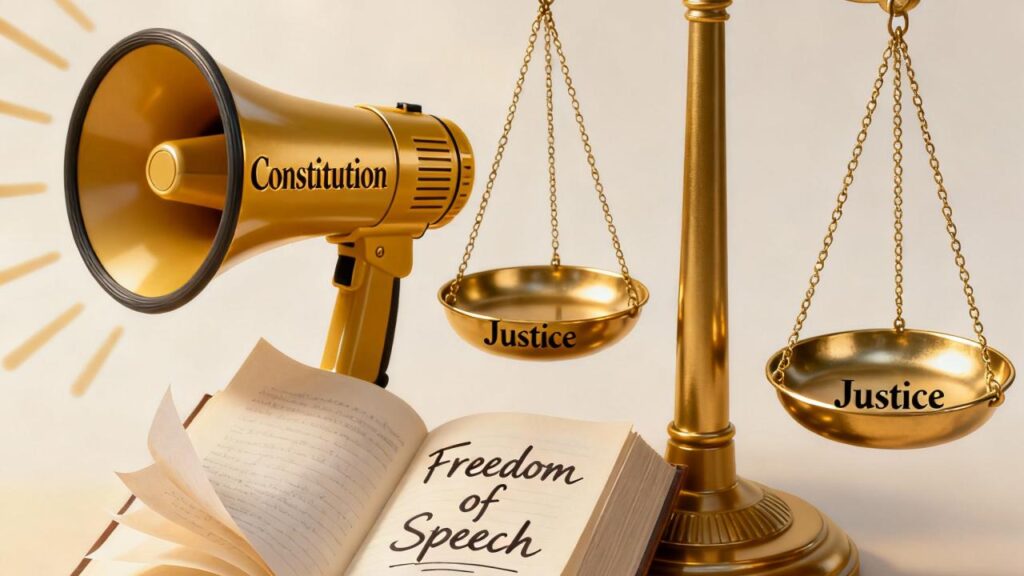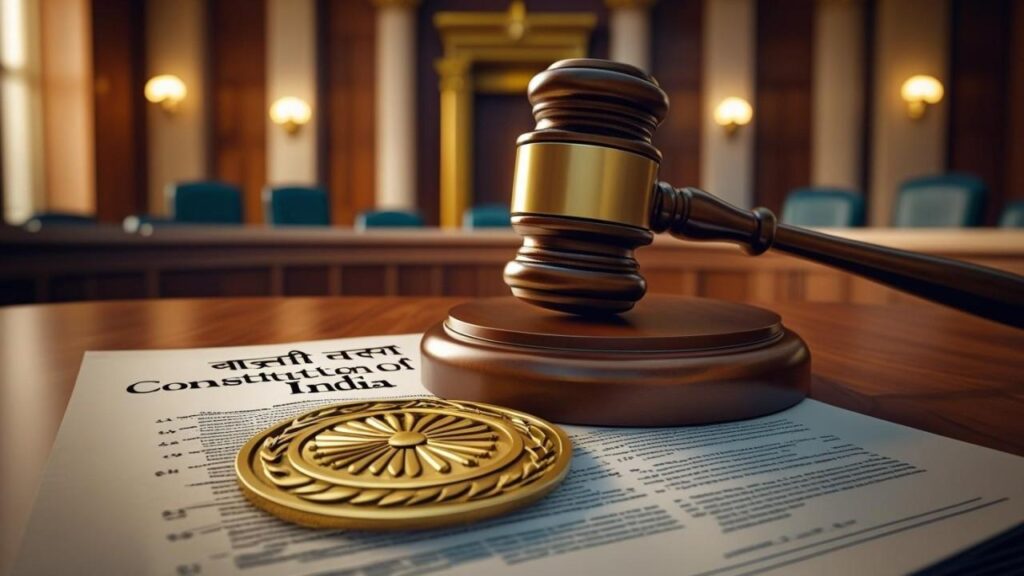

Fundamental rights are the basic human freedoms guaranteed to every citizen of India. These rights form the backbone of the Indian Constitution and play a crucial role in ensuring equality, liberty, and justice for all. They protect individuals from arbitrary actions of the State and allow citizens to live with dignity and freedom.
Having a clear understanding of fundamental rights in India is essential for every citizen. It not only helps in safeguarding personal freedoms but also empowers individuals to take action when their rights are violated.
What Are Fundamental Rights
Fundamental rights are a set of rights provided under Part III of the Constitution of India. These rights are enforceable by courts, which means that if any of these rights are violated, a citizen can approach the judiciary for protection.
These rights are designed to promote equality, freedom, and fairness in society. They apply to all citizens regardless of caste, religion, gender, or background.
The Constitution ensures that these rights are protected against misuse by authorities and remain a key part of India’s democratic framework.
Types of Fundamental Rights in India
The Indian Constitution provides several fundamental rights that cover different aspects of individual freedom and protection.
The Right to Equality ensures that every citizen is treated equally before the law and prohibits discrimination on the basis of religion, race, caste, sex, or place of birth. It promotes fairness and equal opportunities in society.
The Right to Freedom includes various freedoms such as speech and expression, movement, residence, and profession. These rights allow individuals to express their thoughts and live freely within the country.
The Right against Exploitation protects individuals from forced labour, human trafficking, and child labour. It ensures that no person is subjected to unfair or inhuman treatment.
The Right to Freedom of Religion allows individuals to practice, profess, and propagate any religion of their choice. It ensures religious tolerance and harmony in a diverse country like India.
Cultural and Educational Rights protect the rights of minorities to preserve their language, culture, and traditions. These rights also allow them to establish and manage educational institutions.
The Right to Constitutional Remedies is one of the most important rights, as it allows citizens to approach the courts when any of their fundamental rights are violated.
Understanding these categories helps in recognizing how the Constitution protects different aspects of life.
Importance of Article 21: Right to Life and Personal Liberty
Among all fundamental rights, Article 21 holds special importance. It guarantees the right to life and personal liberty, which has been interpreted broadly by the Supreme Court.
Over time, the Court has expanded the meaning of this right to include various aspects such as the right to privacy, right to a clean environment, and right to live with dignity.
This makes Article 21 right to life and personal liberty one of the most powerful protections available to citizens.
Role of the Judiciary in Protecting Fundamental Rights
The judiciary plays a crucial role in protecting fundamental rights. Courts have the authority to review laws and government actions to ensure that they do not violate constitutional provisions.
Citizens can approach the High Courts under Article 226 or the Supreme Court under Article 32 for the enforcement of their rights.
The courts can issue writs such as habeas corpus, mandamus, prohibition, certiorari, and quo warranto to provide relief in cases of rights violations.
This system ensures that fundamental rights are not just theoretical but practically enforceable.
Reasonable Restrictions on Fundamental Rights
Fundamental rights are not absolute. The Constitution allows the State to impose reasonable restrictions in certain situations.
These restrictions are necessary to maintain public order, national security, morality, and the sovereignty of the country.
For example, freedom of speech can be restricted if it leads to hate speech or threatens public peace. Similarly, other rights may also have limitations to ensure a balance between individual freedom and societal interests.
Understanding reasonable restrictions on fundamental rights helps citizens exercise their rights responsibly.
Why Awareness of Fundamental Rights Is Important
Many people are unaware of their rights, which often leads to exploitation or injustice. Legal awareness is essential to ensure that individuals can protect themselves against unfair treatment.
Knowing your rights helps you question unlawful actions, seek legal remedies, and stand up against injustice. It also promotes a more informed and responsible society.
Awareness of rights also encourages citizens to respect the rights of others, which is important for maintaining social harmony.
Legal Remedies for Violation of Fundamental Rights
If fundamental rights are violated, citizens have the right to seek legal remedies through the courts. The Constitution provides strong mechanisms to ensure justice.
Individuals can file petitions in the High Court or Supreme Court for the enforcement of their rights. The judiciary can provide relief by striking down unconstitutional laws or directing authorities to take corrective action.
Understanding legal remedies for fundamental rights violation ensures that citizens can take appropriate steps when their rights are threatened.
Conclusion
Fundamental rights are essential for protecting the freedom, dignity, and equality of every citizen in India. They form the foundation of a democratic society and ensure that individuals can live without fear or discrimination.
By understanding fundamental rights in India, citizens can become more aware, responsible, and empowered. These rights not only protect individuals but also strengthen the nation by promoting justice and equality.
In a rapidly changing world, awareness and proper use of fundamental rights are more important than ever. Knowing your rights is the first step toward protecting them.